Sell your designer bags online using specialist resale platforms, consignment boutiques, or private marketplaces to reach buyers and maximize value; pick services with authentication, transparent fees, and seller protection. This guide lists the best websites to sell designer bags, compares fees and authentication, and walks you through each step to close a sale.
Consignment: a selling model where you hand an item to a third-party reseller who lists it, sells it on your behalf, and pays you after sale, usually minus a commission.
Authentication: the process of verifying a designer item’s brand, materials and markings to confirm it is genuine before sale.
Introduction to Selling Designer Bags Online
Answer: Selling designer bags online means listing pre-owned luxury handbags on resale platforms, consignment services, or peer marketplaces that connect sellers with buyers while managing fees, authentication and shipping.
Designer bag resale — also called the resale market or pre-owned luxury market — has grown as buyers prefer value and sustainability. Many sellers choose specialist platforms because they offer buyer traffic, authentication services, and defined payout methods that private listings lack. Before listing, review platform fees, authentication policies, and estimated pickup-to-payout timelines to match your seller goals.
For broader context on brands, pricing and what buyers want before you sell, see this comprehensive guide:
Designer Bags Ultimate Guide: Brands, Prices, and Buying Tips
Best Sites to Sell Designer Bags in 2024
Answer: The best sites to sell designer bags combine large buyer audiences, reliable authentication, clear fee structures, and convenient payout methods — top choices in 2024 include The RealReal, Vestiaire Collective, Fashionphile, Rebag, eBay Authenticate, Poshmark, and Grailed.
Below is a compact comparison to help match your bag and goals to the right platform. Each row shows model (consignment vs. direct sale), typical seller fees, authentication method, and common payout options.
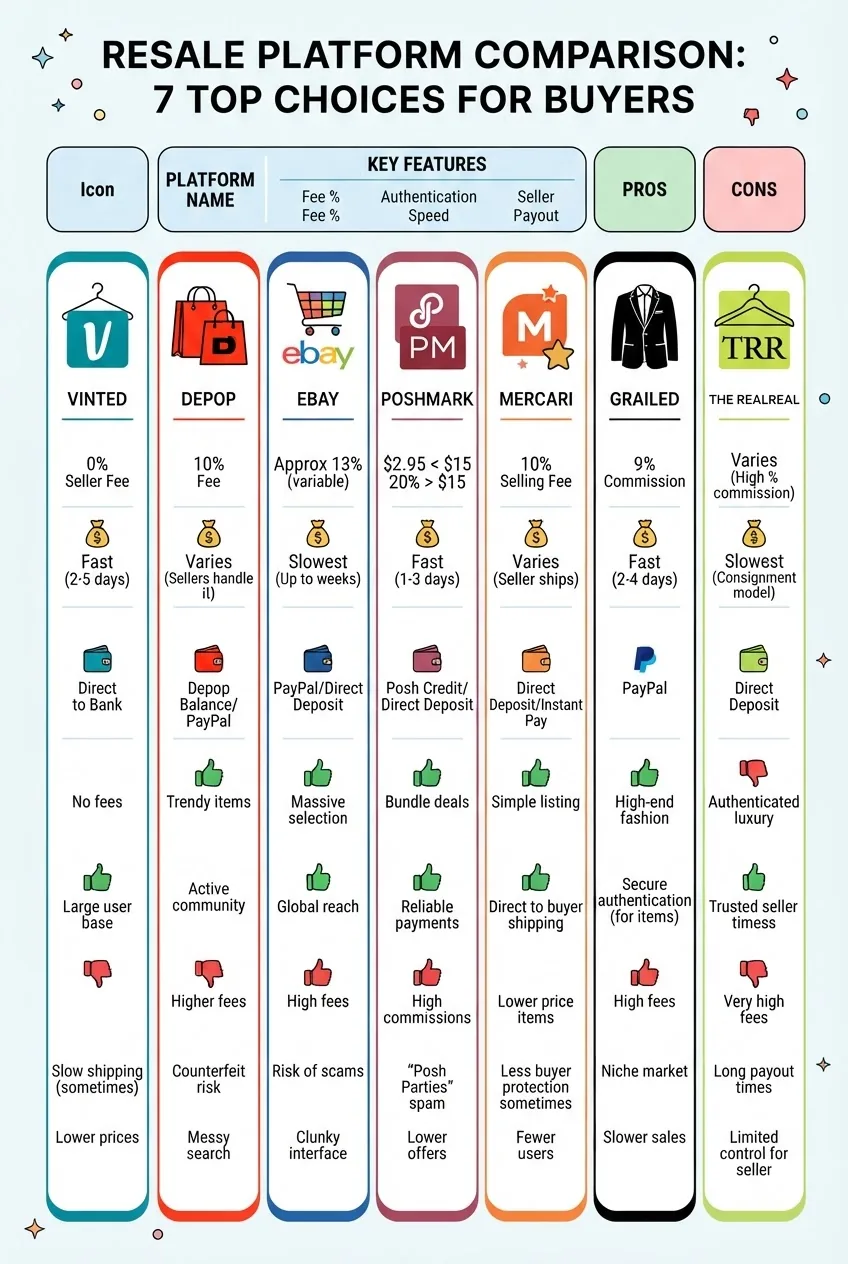
| Platform | Model | Fees / Commission | Authentication | Payouts | Audience |
|---|---|---|---|---|---|
| The RealReal | Consignment | 20–60% (tiered) | In-house experts | Check/payout after sale or faster with seller options | Large luxury-focused buyers |
| Vestiaire Collective | Consignment + Marketplace | ~20–25% (varies) | Community + expert checks | Bank transfer / platform wallet | International fashion-savvy buyers |
| Fashionphile | Direct buy & Consignment | Consignment tiered; direct buy offers variable | In-house authenticators | Bank transfer / check | US luxury buyers, boutique audience |
| Rebag | Direct buy & Trade | Seller receives offer; fees embedded | On-site authentication team | Instant offer payout options | Luxury resale shoppers, fast turnaround |
| eBay (Authenticate) | Marketplace (auction/fixed) | ~10–12% final value + listing fees | Third-party authentication on higher-value items | PayPal/Bank transfer | Mass-market reach, global buyers |
| Poshmark | Peer-to-peer / Marketplace | 20% on sales over $15 | Community reporting; escalating authentication options | Platform wallet, direct deposit | Large US audience, casual buyers |
| Grailed | Peer-to-peer (men’s & designer) | ~6% + payment processing | User-reviewed; third-party checks common | PayPal/Bank transfer | Niche enthusiast buyers |
Platform-by-platform practical notes:
The RealReal
The RealReal is a high-volume consignment house known for expert in-house authentication and premium buyer traffic; good for high-end brands but fees are tiered and can be high for lower-priced pieces. Sellers receive consignor statements and are paid after an item sells. According to a 2024 industry report, specialist consignment platforms capture a major share of luxury resale volume, driving buyer trust.
Vestiaire Collective
Vestiaire mixes marketplace listings with an expert check step: you ship after a sale and the item is authenticated before buyer receipt. Fees are moderate and international reach is strong, which helps rare or trending items reach collectors worldwide.
Fashionphile & Rebag
Fashionphile and Rebag offer direct buys for sellers who want speed over top-dollar returns; direct buy reduces risk and speeds payout but often yields lower prices than consignment. Fashionphile’s boutique audience is luxury-focused, while Rebag emphasizes quick offers and trade options.
eBay Authenticate, Poshmark & Grailed
Marketplaces like eBay and Poshmark let sellers control pricing and listing details; eBay’s Authenticate program and third-party services add confidence for buyers. Poshmark’s social model can help move lower-priced designer items, while Grailed reaches specialty menswear collectors. Expect varied dispute processes and differing fee structures.
Real-world example: an anonymized seller listed a gently used Chanel Classic Flap on The RealReal (consignment); after a detailed authentication and a six-week listing period, the bag sold for approximately $3,200 and the seller received payment net of a tiered commission. This illustrates higher realized prices on consignment platforms that trust buyers value authenticated provenance.
For brand identification and to confirm model popularity before listing, consult the designer bag brands and types: complete list and guide.
designer bag brands and types: complete list and guide
To track hot styles that sell fastest across these platforms, see our trends guide:
designer bag trends and must-have styles
How to Choose the Best Website to Sell Designer Bags
Answer: Choose a platform based on your seller goals (speed vs price), bag condition, desired convenience, authentication confidence and acceptable fees; balance expected net payout with time-to-sale.
Below are practical decision points to match a single bag or collection to the best selling route.
- Define your goal: Quick cash? Use direct-buy sites like Rebag or Fashionphile. Highest net? Consider consignment platforms (The RealReal, Vestiaire).
- Assess condition: Mint or lightly used bags fetch the most; worn or altered pieces often suit marketplace listings where buyers negotiate.
- Compare fees vs. price expectations: Platform commissions can vary (6% marketplace to 60% consignment tiers); calculate net proceeds before committing.
- Prioritize authentication: If your bag is high-value, pick platforms with in-house or trusted third-party authentication to increase buyer confidence and final price.
- Consider audience reach: Global platforms reach collectors for rare styles; domestic marketplaces are better for quick sales.
- Convenience & turnaround: Do you want doorstep pickup/insured shipping or to manage packaging and returns? Services offering prepaid shipping or drop-off simplify selling.
- Payout preferences: Check whether platforms pay by bank transfer, check, or platform wallet and how long after sale payment is released.
- Seller reputation: Read seller policies on returns, disputes and seller protection; platforms with strong seller ratings often resolve buyer disputes faster.
- Legal and regional nuances: If selling internationally, check customs, VAT and local consumer protection rules before listing; regional platforms may better handle taxes.
- Buyer demand for brands: Use price and ranking resources to know which brands hold value; see our best designer bag rankings and reviews for value signals.
If you are also researching where buyers shop bargains, our buying discounts guide may help you understand buyer-side expectations.
designer bags on sale: best discounts and deals online guide
If you sell from Australia or are considering region-specific marketplaces, compare local listing options before committing.
where to buy designer bags in Australia
Step-by-Step Guide to Selling Your Designer Bags Online
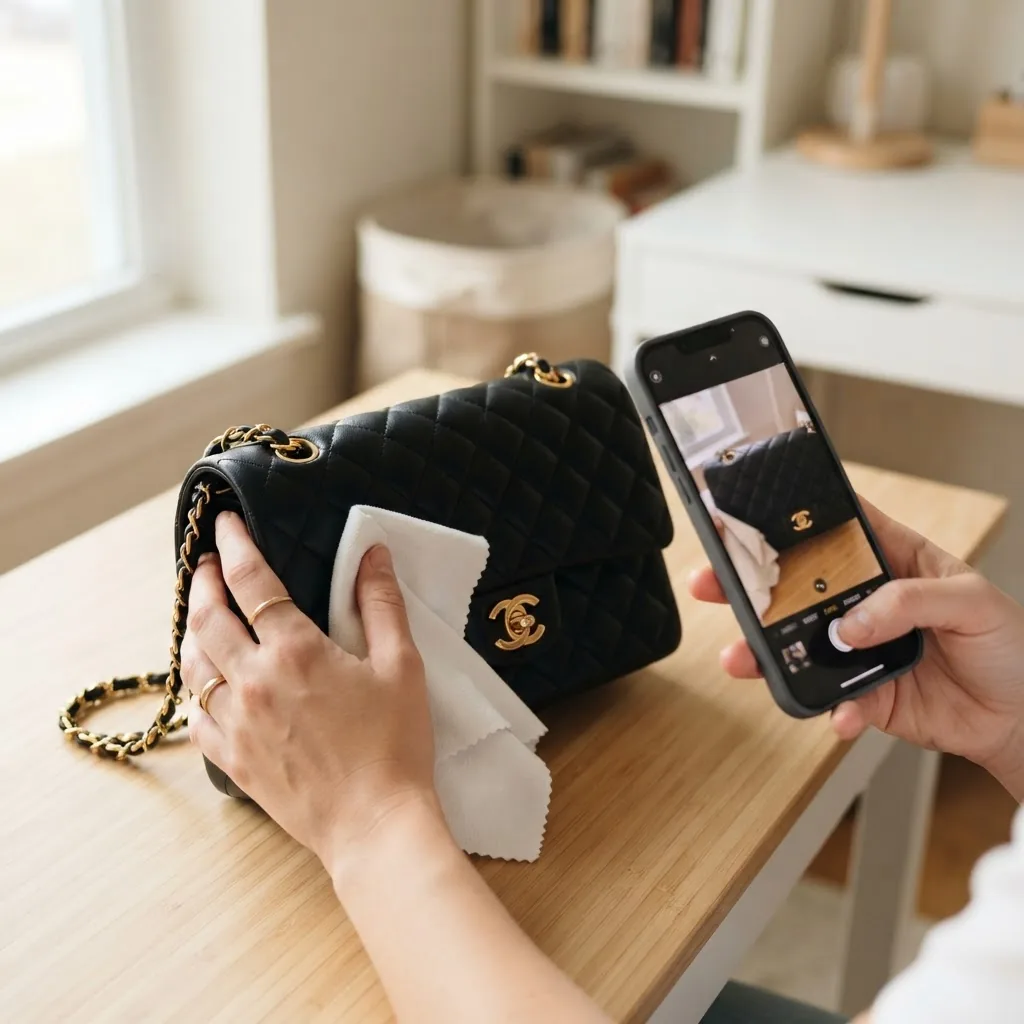
Answer: Follow a clear sequence — inspect and grade condition, clean and photograph, research pricing, choose a platform, create a detailed listing, authenticate, package and ship securely, and manage payment and disputes.
-
Step 1 — Inspect and grade condition.
Direct answer: Grade your bag as Mint, Lightly Used, or Worn and document flaws; condition grading directly affects price and buyer expectations.
Condition grading guide:
- Mint: No visible wear, like-new condition.
- Lightly used: Minor signs of wear (light scratches, slight hardware patina).
- Worn: Noticeable scratches, lining wear, or repairs needed.
Take detailed notes: serial numbers, date codes, receipts, service history, dust bags, and original boxes all increase buyer trust and price.
-
Step 2 — Clean and repair as needed.
Direct answer: Lightly clean leather with approved products and fix minor issues professionally before listing to maximize sale value.
Small repairs (stitching, hardware polishing) often deliver higher net returns than selling “as-is.” Use professional services for structural repairs. For step-by-step cleaning and storage, consult the designer bag care guide.
-
Step 3 — Photograph effectively.
Direct answer: Shoot clear, well-lit photos of each angle, close-ups of serial numbers and hardware, and any flaws; photos reduce disputes and speed sales.
Photo checklist:
- Use natural light and neutral background.
- Include front, back, sides, interior, pockets, serial code, and any tags/receipts.
- Show scale — hands or a standard item for size reference.
-
Step 4 — Research comparable sales and set price.
Direct answer: Price using recent sold listings on your chosen platform and market reports; factor condition, rarity, and seasonality into a realistic range.
Use platform sold-history, completed eBay listings, and resale reports for recent realizations. If you want a quick sale, set price slightly below comparable sold items; for consignment, expect higher final prices but longer timelines.
-
Step 5 — Choose listing format: consignment, fixed price, or auction.
Direct answer: Pick consignment for highest net on premium pieces, direct buy for speed, and auction/marketplace for control and competitive bidding.
- Consignment: Platform lists, markets and authenticates; you get paid after sale minus commission.
- Direct sale / Buyout: Platform or buyer buys immediately for a set offer — fastest pay but usually lower returns.
- Auction/Marketplace: You control reserve and listing; buyer bidding can push price but adds variability.
-
Step 6 — Write a precise listing description.
Direct answer: State brand, model, size, material, condition grade, defects, included accessories and provenance clearly to reduce returns and disputes.
Include measurements, serial codes/date codes, purchase receipts, service records, and honest notes on repairs. Use bullet points for scannability and tag brand and style identifiers used by buyers.
-
Step 7 — Submit for authentication if required.
Direct answer: Use platform authentication when available or opt for trusted third-party services like Entrupy before listing to boost buyer confidence and final price.
Authentication options:
- Platform in-house experts (The RealReal, Fashionphile).
- Third-party technical authentication (e.g., Entrupy) using materials analysis and image algorithms.
- Community + expert checks on marketplaces like Vestiaire Collective.
-
Step 8 — Pack and ship securely.
Direct answer: Use tracked, insured shipping with signature required; pad contents, use proper stuffing to protect structure, and include a copy of the listing and proof-of-authenticity materials.
Packing checklist:
- Stuff bag to maintain shape, use acid-free tissue where appropriate.
- Place in dust bag + sturdy box with corner protection.
- Choose insured courier and require signature on delivery for high-value items.
-
Step 9 — Manage sale, returns and buyer communication.
Direct answer: Respond promptly, document all interactions and keep receipts; follow platform dispute procedures if a buyer raises authenticity or condition concerns.
Record tracking, condition reports and messages; these records are essential if a buyer files a dispute. Platforms with robust seller protection and clear return windows reduce risk.
-
Step 10 — Receive payment and consider resale timing.
Direct answer: Note payout timing varies — immediate for direct buys, delayed for consignment; track performance and consider seasonality for re-listing if item doesn’t sell.
Seasonality matters: certain styles perform better during fashion cycles and holidays. If unsold, evaluate price drops, platform switches, or bundling multiple items to attract buyers.
Platform walkthrough example — listing on The RealReal: create account, complete consignor intake with bag details and photos, ship using their prepaid label or approval for pickup, wait for in-house authentication and listing, and receive consignor statements and payment after sale. This sequence reduces seller responsibility for authentication but lengthens payout time.
Pricing Strategies for Selling Designer Bags
Answer: Price using recent sold comparables, adjust for condition, rarity and fees, and decide whether to aim for the market high (consignment) or faster turnover (discounted fixed price).
Pricing depends on supply-demand dynamics: if a style is in short supply and high demand, sellers can list at premium; when many similar listings exist, competitive pricing drives sales. Fee structures shift net returns: a 20% consignment commission plus shipping leaves less net than a 10% marketplace fee, so calculate “net after fees” not just listing price.
Example calculations:
- Chanel classic sold for $3,200 on consignment with 30% commission → net to seller ~ $2,240 (less any shipping/insurance costs).
- Same bag sold via eBay at $2,900 with 12% final value fee → net ~ $2,552 before shipping and returns.
Strategies:
- Anchoring: Start with a higher “Buy It Now” but allow offers so you can negotiate down to your acceptable net.
- Reserve pricing in auctions: Protect against below-market sales when unsure of demand.
- Bundling: Sell accessory sets (box, dust bag, card) to increase perceived value and reduce buyer doubt.
- Timed price drops: Lower price incrementally to test market elasticity while maintaining visibility.
Use resale market data to spot trends — According to a 2024 industry report, demand for vintage and limited-edition pieces rose year-over-year, pushing realized prices for rare items higher on specialist consignment platforms. For deeper brand-specific price context, consult best designer bag rankings and reviews, designer bag prices and most expensive bags, and evaluate which designer bags that hold their value for smarter listing choices.
Avoiding Scams and Ensuring Authenticity During Sale
Answer: Prevent scams by using trusted authentication, documented provenance, insured shipping, platform buyer-seller protections, and avoiding non-secure payment channels.
Counterfeit risks are real: reported incidents increased with resale market size. Rely on platform authentication or certified third-party services to minimize disputes. If a buyer disputes authenticity, platforms with in-house verification (The RealReal, Fashionphile) generally resolve faster; independent authentication (image and material analysis) can help you contest unfounded buyer claims.
Practical tips:
- Always keep documentation: receipts, service invoices and original packaging reduce authentication ambiguity.
- Use tracked, insured shipping and require signature on delivery for high-value items.
- Avoid wire transfers or accepting complex off-platform payment requests; use platform-approved payment methods for seller protection.
- If you want extra defense, obtain third-party authentication before listing (for example, technical services like Entrupy) and attach authentication reports to your listing.
- Review consumer protection guidance from authorities: see the Federal Trade Commission for safe online selling practices.
For buyers and sellers wanting a deeper primer on authentication precautions, our authentic resale guide and tips complements this section.
authentic resale guide and tips
If counterfeit transport issues are a concern, see guidance on travel and customs issues related to fake goods:
travelling with fake designer bags
Note regulatory context: refer to consumer protection resources and ecommerce safety authorities for regional rules and dispute resolution processes (for example, the FTC and local consumer agencies).
External resources:
- ThredUp Resale Report — resale market data and trends.
- Entrupy — third-party authentication technology and services.
- Federal Trade Commission — buyer/seller protection and ecommerce guidance.
Conclusion and Final Tips for Successful Selling
Answer: Maximize sale value by selecting the right platform for your goals, presenting honest, well-documented listings, using authentication, and managing shipping and disputes proactively to build a reliable seller reputation.
Summary takeaways:
- Match platform to priority: price vs speed vs control.
- Invest small repairs and professional cleaning where ROI is positive.
- Document authenticity and provenance thoroughly.
- Use insured, trackable shipping and keep records of all communications.
- Monitor market reports and sold histories to re-price smartly.
Ready to sell one bag or a collection? Start by preparing your highest-value item using the step-by-step checklist and list on the platform that best aligns with your pricing and payout goals — and return often to iterate on pricing and platform choice to increase repeat sales.
Call to action: List one well-prepared bag today on your chosen platform and track its performance to learn which venue maximizes your net proceeds.