Buying Used & Second-Hand Designer Bags — by the end of this hands-on guide you’ll be able to locate reputable sellers, run a step-by-step authentication check, and complete a safe purchase of an authentic used designer bag. Expect to spend about 2–4 hours on research and verification per item; this guide assumes beginner-to-intermediate marketplace experience.
Before you start
- Tools: magnifying loupe (10x), white LED light, soft ruler, digital scale (optional), smartphone with camera.
- Accounts: Create buyer accounts on 2–3 trusted resale platforms and enable two-factor authentication.
- Documents: Save screenshots of listings, seller profiles, and all pre-sale messages; plan payment method (credit card or escrow).
- Knowledge: Know the specific model name/season, common serial formats, and current market value ranges for your target bag.
Core buying steps — practical, numbered process
-
Research the model and market value first.
Identify the exact model name, size, year or season code, and typical retail price. Use completed listings on resale sites and recent market reports to set a realistic target price range. According to a 2024 industry report, mid-luxury resale prices fluctuate 10–30% annually depending on model and condition.
-
Shortlist trusted platforms and sellers.
Create a shortlist of 3–5 sellers or stores with strong ratings, recent positive reviews, and clear return policies. Prioritize platforms with authenticated listings or money‑back guarantees; save profile links and average response times.
-
Analyze the listing thoroughly.
Check images (high resolution), item description, condition grade, and whether original packaging or paperwork is included. Ask the seller for close-ups of serial tags, logo stamping, hardware engravings, and interior stitching before buying. Keep all replies in writing.
-
Use third-party authentication when in doubt.
For high-value purchases, obtain a professional authentication report from a recognized service; many offer instant AI scans and in-depth manual reviews. Expect authentication fees of $20–$100 depending on the service and complexity.
-
Choose secure payment and confirm return policy.
Prefer credit card or platform escrow; avoid wire transfers and cash. Confirm the seller’s return window and who pays return shipping for authentication disputes. Document the policy and seller’s explicit confirmation.
-
Inspect on receipt and compare to listing.
Immediately verify serial numbers, stitching, hardware, smell, and lining under bright light. Photograph the bag from the same angles as the listing; if anything deviates strongly, open a dispute quickly — most trusted platforms allow 3–7 calendar days for return initiation.
-
Preserve proof and learn for resale value.
Keep original receipt, authentication certificate, and packaging; these can increase resale value later. Record condition grade, any repairs, and maintenance done after purchase.
Common mistakes and how to avoid them
I once bought a bag whose serial sticker matched an online photo but the interior felt entirely wrong — a classic case of relying on a single marker. I now always check at least five authentication markers and request time‑stamped images showing the seller holding the bag.
Compact verification checklist
- Model & season match verified
- Clear images of serial/label/hardware
- Professional authentication for items >$1,000
- Secure payment (credit card/escrow)
- Return policy confirmed in writing
- Packaging and paperwork included / photographed
When to call in a professional
If a single bag exceeds $2,000, contains rare vintage provenance, or shows repair history you cannot verify, hire an accredited authenticator or request an in-person appraisal. For cross-border purchases where customs valuation matters, consult consumer protection or customs experts.
Why Buy Used Designer Bags? Benefits and Considerations
Why buy used designer bags? Buying pre-owned luxury delivers cost savings, access to discontinued or vintage models, and reduced environmental impact through reuse. Typical price reductions range from 30% to 60% compared with retail for recent-season pieces, and even greater discounts for heavily used or common models.
Beyond price, pre-owned buys let you chase exclusivity — limited-run or archive pieces that were never widely available at retail can be found via consignments and estate sales. Vintage appeal also feeds style cycles: classic silhouettes often return to popularity, boosting resale value.
Considerations include condition grading (see later section), the seller’s authenticity guarantees, and the possibility of restoration costs. Some bags retain value strongly — “investment pieces” — while others depreciate rapidly due to high production volume or changing trends.
Environmental impact: buying second hand reduces demand for new leather production and lowers fashion’s carbon footprint. According to a 2023 consumer sustainability report, consumers rank reuse as one of the top three actions that reduce individual fashion-related emissions.
Financial trade-offs: factor in servicing or cleaning costs (typically $50–$250 depending on work), potential authentication fees, and return shipping when calculating total cost. If you’re buying to resell, estimate resale price using recent completed listings for the exact model and condition.
Designer Bags Ultimate Guide: Brands, Prices, and Buying Tips
Transition: Next, you’ll get a detailed, numbered authentication checklist you can use on any listing or in-person inspection.
How to Identify Authentic Used Designer Bags
-
Check the serial number or date code format.
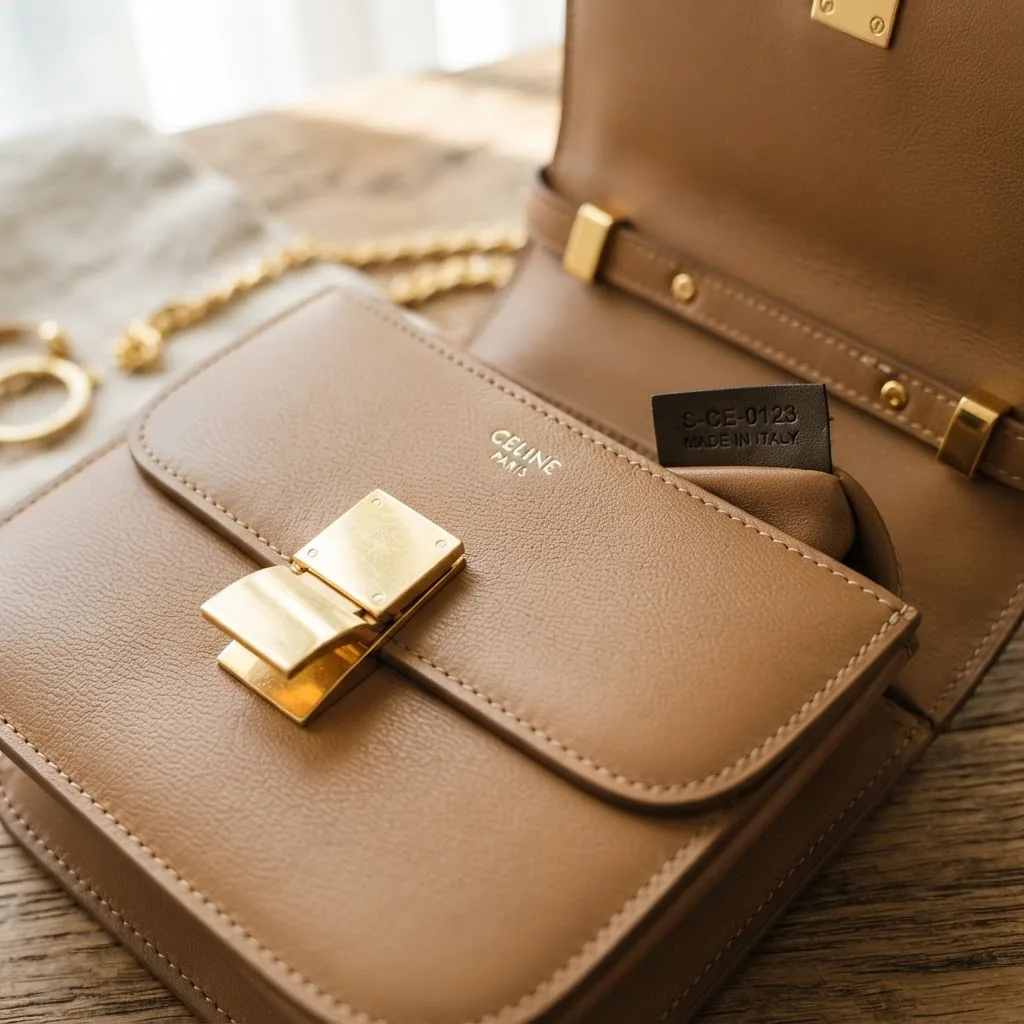
Serial numbers (a unique alphanumeric code) or date codes indicate production batch and year. Understand the format for the specific brand and model: some brands use stitched leather codes, others use heat-stamped tags. Compare the code to known examples from collector forums or authenticated listings.
-
Inspect material quality and construction.
High-quality leather or canvas has consistent grain, minimal surface flaws, and solid weight. Stitching should be even, with no loose threads or uneven spacing; count stitches per inch for comparable models. Hardware will feel weighty and have clean engravings.
-
Verify logos, stamps and hardware engravings.
Compare fonts, placement, and depth of logo stamps and hardware engravings to authenticated references. Counterfeit hardware often has shallow or inconsistent engravings and plating that rubs off quickly.
-
Look for consistent patina and wear patterns.
On vintage items, wear should align with use points — corners, handles, and base. Artificial aging is often uniform and unrealistic; genuine patina develops unevenly over time. Smell tests can detect synthetic or chemical treatments used to mask defects.
-
Confirm packaging, dust bag, and paperwork.
Original packaging and authenticity cards help but are forged frequently. Examine card stock, printing quality, and matching serial numbers. Receipts from original purchase are stronger provenance evidence.
-
Use professional authentication services.
Submit high-resolution images or request in-person review from industry-recognized authenticators. According to Entrupy data, combined AI and expert reviews reduce false positives significantly; many platforms partner with certified services for listing-level authentication. For immediate reference, visit Entrupy.
-
Cross-check seller history and feedback.
High-volume sellers with consistently positive feedback and long platform tenure are lower risk. Check for patterns like repeated “authenticity disputes” in reviews. Request transaction history or past receipts for the item if available.
-
Request time-stamped, hand-held photos.
Ask the seller to provide photos showing them holding the bag with today’s date on a newspaper or digital device. This reduces risk of listing stolen or recycled photos and helps verify possession.
-
Compare with authoritative references.
Use brand guides, collector forums, and authenticated listing archives to compare details. If traveling with replica enforcement is a concern, read customs guidance; see Travelling With Fake Designer Bags: Customs and Airline Rules for legal context.
-
Document every step during inspection.
Save all images, messages, and authentication reports. If you later resell, complete documentation supports provenance and price.
Transition: With authentication covered, the next section evaluates where to buy — the marketplaces and how they compare.
Best Websites and Marketplaces for Buying Used Designer Bags

Below is a compact comparison table summarizing common marketplace features: authentication options, return policy strength, average seller rating, and buyer protection. Use these criteria to select the platform that matches your risk tolerance and budget.
| Platform Type | Authentication | Return Policy | Buyer Protection |
|---|---|---|---|
| Consignment Boutique (curated) | In-house + third-party | 14–21 days, conditional | High (escrow/guarantee) |
| Peer-to-peer marketplace | Optional external auth | Varies by seller | Medium (dispute process) |
| Auction/estate sale | Rarely pre-authenticated | Usually final sale | Low (buyer beware) |
| Specialist resale platform | Mandatory pro authentication | 7–14 days, money-back | High (returns + escrow) |
Summary: Choose curated consignment or specialist resale platforms for higher-value purchases because they usually include professional authentication and stronger return policies. For bargains, peer-to-peer marketplaces can be useful if you add authentication steps yourself.
Additional resources for finding deals and regional options: Designer Bags on Sale: Best Discounts and Deals Online Guide and Where to Buy Designer Bags in Australia: Stores and Online Guide.
Transition: Now you know where to shop; next are precise safety steps to avoid scams and protect your purchase.
Tips for Safely Buying Designer Bags Second Hand
-
Verify seller reputation immediately.
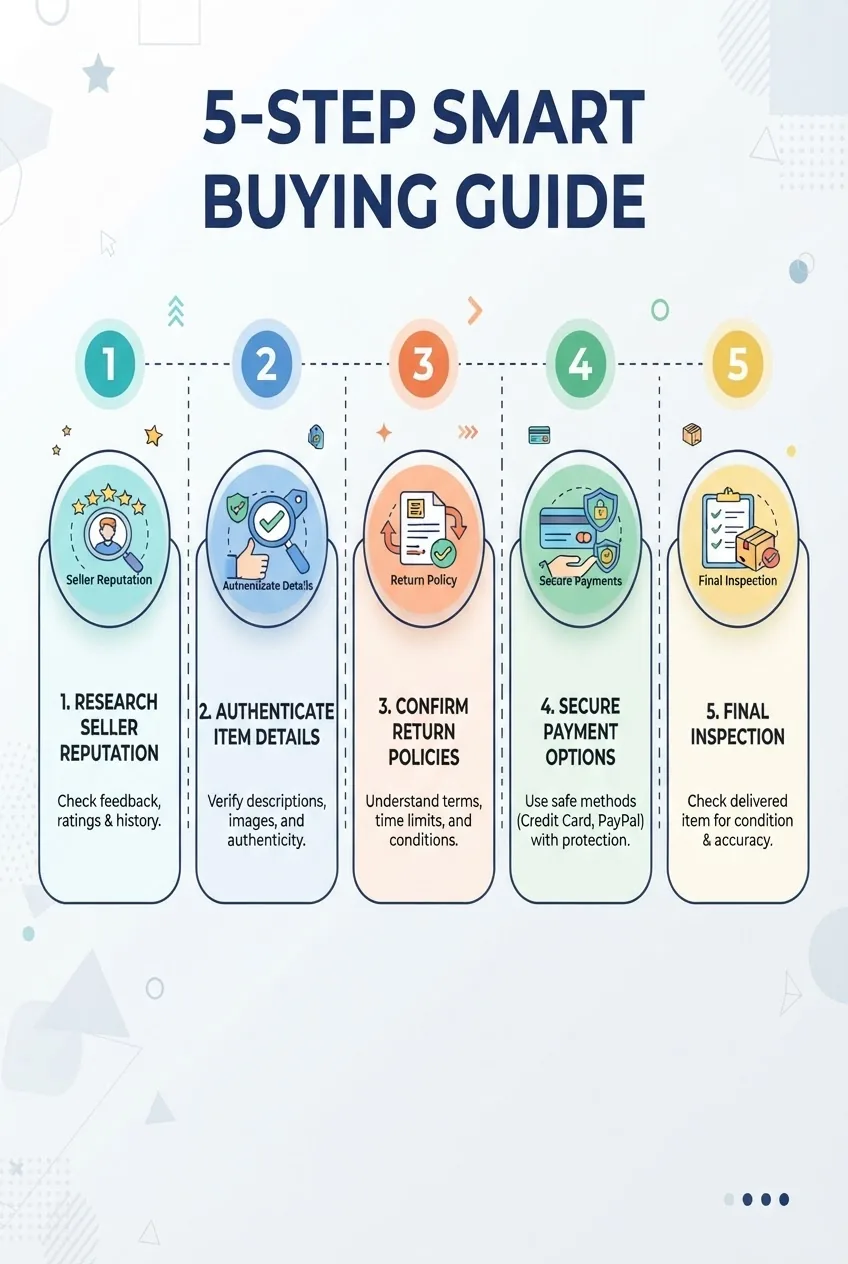
Check at least 12 months of reviews and any dispute history. Ask for references or past sale links. Marketplace seller metrics (percent positive, response time) are key. If profiles are new or lack traceable history, treat the listing as high risk.
-
Request detailed provenance and paperwork.
Ask for original proof of purchase, service receipts, or prior authentication reports. If the seller claims original receipt exists, request a photographed copy that includes store name and date. Save everything in your purchase record.
-
Use secure payment and keep records.
Pay with credit card for chargeback protection or use the platform’s escrow. Avoid direct bank transfers. Save transaction IDs and confirm seller’s name matches platform profile.
-
Confirm the return and dispute process.
Read the platform’s buyer protection terms and note timelines: most allow 3–14 days post-delivery to open disputes. Keep a screenshot of the policy clause cited by the seller.
-
Inspect the package upon arrival.
Open the parcel on camera, record unboxing, and photograph serial tags and interior. If you find a material mismatch or missing paperwork, file a dispute immediately with time-stamped evidence.
-
Plan for authentication costs.
Set aside $20–$100 for professional authentication if the platform doesn’t include it. For vintage or high-end bags (>$1,000), professional review is strongly recommended.
Tips and related reading: If you’re deciding which models to prioritize for reliability and resale value, consult Best Designer Bag Rankings and Reviews. If you might resell later, review Selling Designer Bags: Best Sites and Selling Guide Online.
Transition: Authentication and safety covered, next we’ll examine how vintage trends shape prices and demand.
Understanding Designer Vintage Handbags Trends and Their Market Impact
Vintage and pre-owned fashions influence demand cycles and resale values. Recent market analyses indicate a growing segment of collectors focused on archive pieces and limited editions. According to a 2024 industry report by Bain, the secondary luxury market has been expanding faster than primary retail in several categories.
Examples: Classic flap bags and emblematic tote silhouettes often hold or increase value when reissued or when a designer discontinues a model. Conversely, high-volume seasonal bags typically depreciate faster. Collector-driven spikes can occur when celebrities wear archive pieces on high-visibility platforms.
Statistics and effects: According to a 2023 market study, some rare vintage handbags have seen resale value increases of 20–50% over five years due to scarcity and collector demand. That said, mid-tier contemporary models usually depreciate 30–60% depending on condition and market saturation.
Investment potential: Buying vintage for investment requires patience, documentation, and a clear understanding of rarity. Provenance (original owner, event, or retailer) and condition grade are primary drivers of premium. Consult pricing guides such as Designer Bag Prices and Most Expensive Bags: Detailed Guide to benchmark values.
Trend alignment: Use Designer Bag Trends and Must-Have Styles: Fashion Guide to align purchases with both current demand and forecasted cycles.
Transition: Knowing trends helps set expectations; the next H2 lists exact checks to run before you click “buy.”
What to Check Before Finalizing Your Used Designer Bag Purchase
- Condition grading: Understand the platform’s grading scale (e.g., New, Excellent, Very Good, Good, Fair). Translate those grades into expected wear: New (no visible signs), Excellent (minor surface scuffs), Very Good (edge wear, light hardware wear), Good (visible creasing, small stains), Fair (repairs needed).
- Wear and tear thresholds: Ask for precise photos of corners, handles, base, and lining. For a bag priced >$500, anything beyond light scuffs should reduce value by 15–40%.
- Authenticity documents: Presence of original receipt, authenticity card, dust bag, and box add provenance but verify them closely — many forgeries include fake cards. A serial number match and consistent brand markers are more reliable.
- Packaging: Confirm the seller will include original packaging or clearly state it is missing; packaging can affect resale value by 5–15%.
- Return options: Check whether returns are allowed for authentication disputes and who pays for return shipping. Note tight windows — some platforms require disputes within 48–72 hours of receipt.
For aftercare guidance once you own the bag, consult Designer Bag Care Guide to maintain condition and resale value.
Transition: Even experienced buyers make predictable errors; learn how to avoid them below.
Common Mistakes When Buying Used Designer Bags and How to Avoid Them
-
Relying on a single authenticity marker.
Explanation: I once accepted a matching serial code as sufficient; the bag still failed authentication because hardware and stitching didn’t match brand standards. Avoid this by checking at least five authentication markers: serial/date code, stitching, hardware engravings, interior lining, and material weight.
-
Overlooking seller history and rushed purchases.
Explanation: I rushed to buy a rare item from a new seller and later discovered photos were recycled. Always verify at least 6 months of positive sales or request time-stamped photos.
-
Assuming original packaging equals authenticity.
Explanation: I once accepted a dust bag as proof; it matched the brand but had inconsistent stitching. Treat packaging as supporting evidence only; it’s not definitive.
-
Skipping professional authentication for high-ticket buys.
Explanation: To save $50 I skipped a pro review and later paid $1,200 in loss after a counterfeit dispute. For items >$1,000, factor authentication cost into the purchase.
-
Paying by insecure methods.
Explanation: I once used a bank transfer and couldn’t recover funds after a dispute. Use credit cards or platform escrow to maintain chargeback options.
Transition: The checklist below consolidates the essential verification points you should tick off before final payment.
Final Thoughts: Is Buying Used Designer Bags Right for You?
Buying second-hand designer bags suits buyers seeking value, unique vintage pieces, or sustainable fashion choices. If you enjoy detective work and are willing to spend 2–4 hours per purchase verifying authenticity, this market offers excellent finds and sometimes investment potential.
Consider your priorities: if guaranteed authenticity and easy returns are essential, prioritize curated consignment platforms even if prices are higher. If maximizing savings is the aim, prepare to invest time in authentication and negotiation. For help choosing brands that align with resale strength and style, see Designer Bag Brands and Types: Complete List and Guide and Designer Bags That Hold Their Value: Expert Buying Guide.
Final CTA: Start with one well-researched purchase, use professional authentication for items over $1,000, and document everything — you’ll build confidence and a verifiable collection or resale inventory.