This guide lists designer bag brands, names and types comprehensively, covering established luxury houses, emerging labels, and black owned bag designers, with concise brand heritage, signature motifs and logo identifiers—helpful for identifying styles like a designer bag with V logo or deciding which handbag type fits your lifestyle as of 2024.
Introduction to Designer Bag Brands and Types?
Answer: Designer bag brands and types form an organized taxonomy combining brand heritage, signature styles, iconic logos, and functional handbag categories so you can match a house (French, Italian, American) to a bag type (tote, clutch, crossbody) and identify identity cues like monograms or a V logo.
This section gives a concise overview of the industry and how brands influence style.
- Designer handbags: luxury or fashion-house produced bags recognized for craftsmanship and branding.
- Classification is typically by brand prominence (heritage houses vs. emerging labels), bag type (tote, satchel), and identifying motifs (monogram, logo hardware).
- Brand influence affects silhouette, materials (leather, canvas), and status signaling—factors covered later in the guide.
Note on travel and replicas: see travelling with fake designer bags for customs and airline guidance when carrying brand-signalling items.
Comprehensive List of Top Designer Bag Brands?
Answer: The most recognized designer bag brands include historic French and Italian fashion houses (e.g., Louis Vuitton, Chanel, Gucci), influential American labels, and a growing set of designers known for signature silhouettes—each entry below lists origin, iconography, and signature styles.
Brand prominence and market positioning reflect heritage, iconic products, and cultural visibility; according to a 2024 industry report by McKinsey & Company, legacy houses remain market leaders in value and desirability (source: industry report).
-
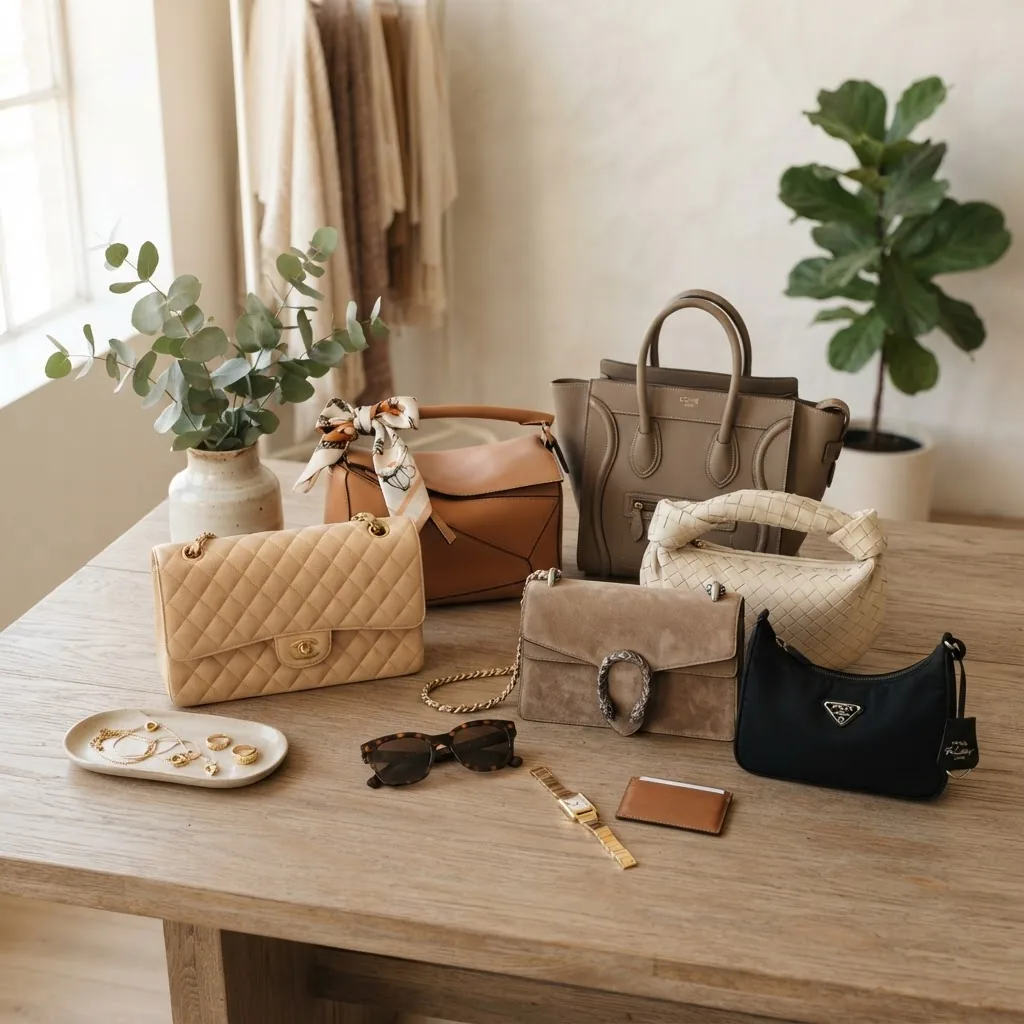
Louis Vuitton — France: Founded as a trunk-maker, LV is known for the monogram canvas and the Keepall tote; signature motifs include the LV monogram and quatrefoil. Often synonymous with canvas travel bags and structured totes.
Signature styles: Speedy, Neverfull, Alma.
-
Chanel — France: Renowned for the quilted leather and the double C logo; Chanel elevates the flap bag and classic shoulder chains as timeless hallmarks.
Signature styles: Classic Flap, 2.55 Reissue, Boy Bag.
-
Gucci — Italy: Recognized for the interlocking GG motif, horsebit hardware, and eclectic seasonal designs; popular for leather shoulder bags and crossbodies.
Signature styles: Marmont, Dionysus, Jackie.
-
Prada — Italy: Known for nylon and Saffiano leather, minimalist logo plaques, and structured totes; Prada often mixes function with sleek Italian design.
Signature styles: Galleria, Nylon Tessuto bags.
-
Hermès — France: Heritage silk scarves and leatherwork; Hermès is famous for hand-stitched leather and discreet hardware, with Birkin and Kelly as cultural icons.
Signature styles: Birkin, Kelly, Evelyne.
-
Fendi — Italy: Known for the double F Zucca logo and Baguette bag design; Fendi blends couture-level embellishment with playful logos.
Signature styles: Baguette, Peekaboo.
-
Saint Laurent (YSL) — France: Sleek silhouettes, chain straps, and the YSL monogram are hallmarks; popular for chic crossbodies and structured shoulder bags.
Signature styles: Sac de Jour, Loulou, Kate.
-
Balenciaga — France/Spain roots: Known for city bags, exaggerated silhouettes, and bold branding; strong presence in street-luxe crossbodies and totes.
Signature styles: City (Motorcycle) bag, Hourglass.
-
Céline — France: Minimalist luxury; Céline favors clean lines, boxy totes and subtle logos aimed at quiet luxury fans.
Signature styles: Luggage, Belt bag.
-
Givenchy — France: Mixes sharp tailoring with feminine shapes; known for elegant satchels and logo-driven designs in recent collections.
Signature styles: Antigona, Pandora.
-
Versace — Italy: Bold prints, Medusa motif, and statement hardware; Versace bags are often logo-forward and glam.
Signature styles: Palazzo Empire bags, logo totes.
-
Coach — USA: American leather goods house known for accessible luxury, leather totes and structured satchels; signature C monogram appears on canvas lines.
Signature styles: Tabby, Rogue.
-
Marc Jacobs — USA: Contemporary designer known for playful takes on classic silhouettes; popular for shoulder bags and crossbodies.
Signature styles: Snapshot camera bag, Tote options.
-
Mulberry — UK: British leather craftsmanship, known for practical satchels and the Bayswater silhouette.
Signature styles: Bayswater, Alexa.
-
Alexander McQueen — UK: Edgy design language, sculptural clutch shapes, and signature skull motifs.
Signature styles: Skull clutch, Box bags.
-
Other internationally notable labels — including Bottega Veneta (Italy: intrecciato leather weave), Loewe (Spain: artisanal leatherwork), and Salvatore Ferragamo (Italy: classic structured bags).
Signature motifs: woven leather, craft-led silhouettes.
For ranked opinions, reviews, and model comparisons see best designer bag rankings and reviews. If you plan to acquire pre-owned items, consult buying used designer bags. To understand price ranges and flagship valuations visit designer bag prices and most expensive bags. For geography-specific shopping resources see where to buy designer bags in Australia.
Black Owned Bag Designers to Know?
Answer: Black owned bag designers combine cultural perspective, craftsmanship, and innovation; the list below highlights notable names, backgrounds, and the bag types they’re best known for, reflecting increasing industry recognition as of 2024.
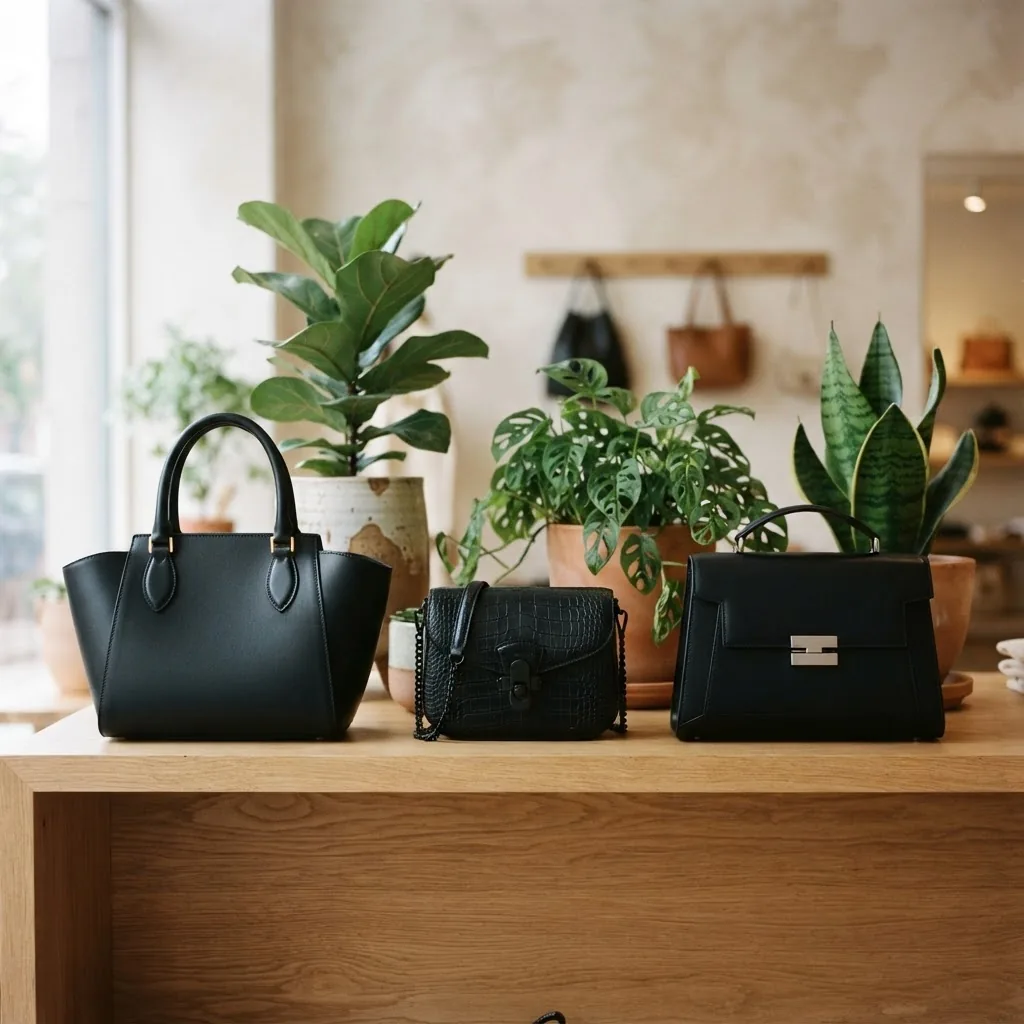
Diversity initiatives and collectives have elevated visibility for black designers (see external resource from an industry diversity initiative below).
- Brother Vellies — Founded by Aurora James (USA): Known for artisanal leather and woven craftsmanship, often producing structured clutches and expressive accessories rooted in African craft techniques. Noted for ethical production and limited-run collections.
- Telfar — Founded by Telfar Clemens (USA): Famous for the unisex “Shopping Bag” — a logo-forward, accessible luxury tote that blends practicality and community-focused design.
- Martine Ali — Designer-led brand (USA): Jewelry-led influence, often producing small luxe pouches and chain-embellished crossbodies with a modern street-luxe sensibility.
- Daily Paper — Amsterdam-based collective with Ghanaian roots: Primarily apparel but expanding into carry goods that reflect African diasporic narratives; useful for casual totes and branded crossbodies.
- Samantha Rei — Emerging British-Nigerian designer: Focuses on leather goods and small structured bags with contemporary silhouettes.
- LaQuan Smith — Known for bold, couture-inflected accessories that include statement clutches and evening bags.
- EFFIE — Boutique leather atelier producing minimalist satchels and everyday crossbodies with a focus on small-batch craftsmanship.
-
Other notable names — Emerging black-owned labels producing high-quality handbags include brands focused on sustainability, artisanal techniques, and cultural storytelling—reflecting broader inclusion trends referenced by organizations like the Black in Fashion Council (source: diversity initiative).
For more on industry diversity initiatives see Black in Fashion Council.
These designers illustrate how black owned bag designers blend community, craft, and modern utility. For shopping deals on emerging labels see designer bags on sale.
Types of Designer Handbags Explained?
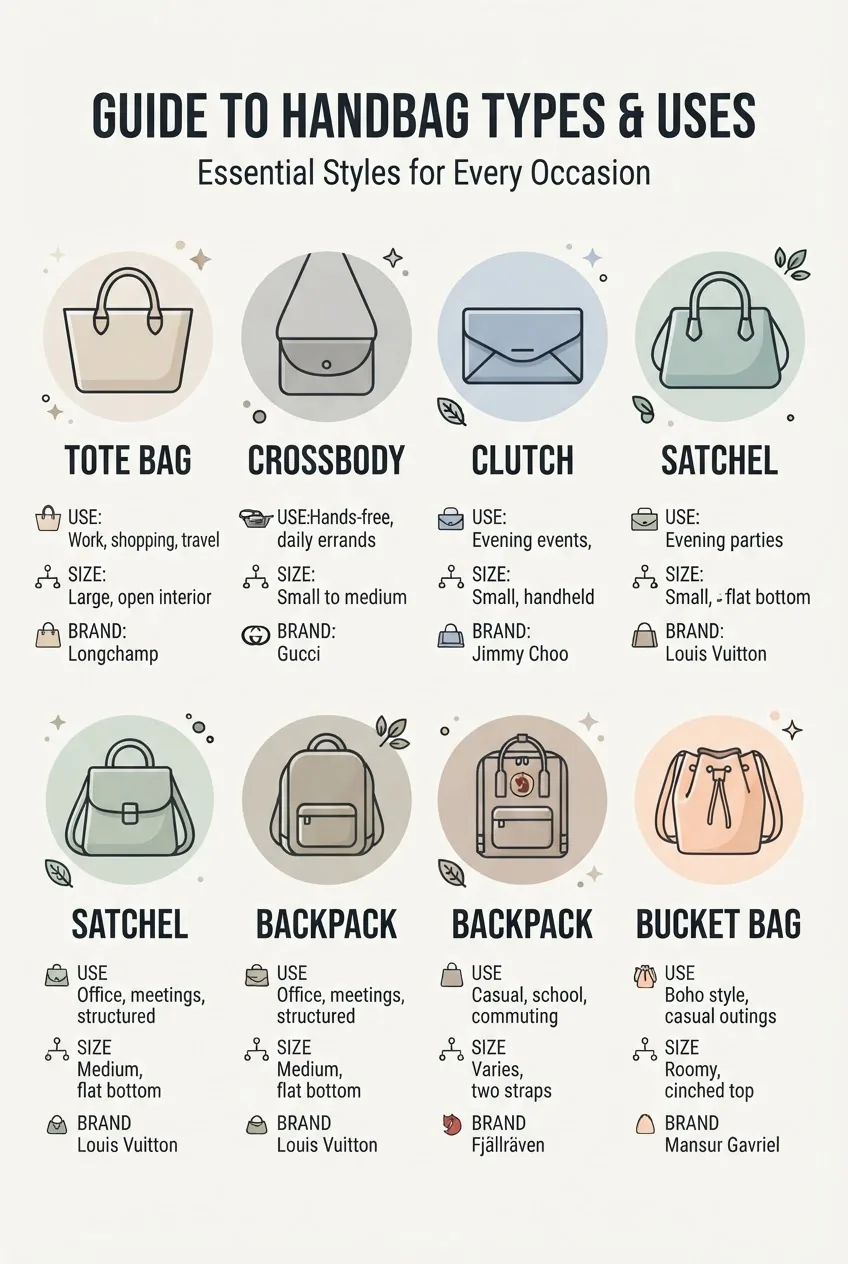
Answer: Designer handbag types are classifications (tote, satchel, clutch, crossbody, backpack, bucket bag) defined by silhouette, function and typical use-case; below each type is defined, given best use cases, and example brands known for that style.
-
Tote
Term: A tote is an open-top, large-capacity bag designed as a stylish carry-all for everyday items.
Best use cases: commuting, work, travel carry-on. Brands known for totes: Louis Vuitton (Neverfull), Coach, Celine.
Material types: canvas monogram, coated canvas, smooth leather.
-
Satchel
Term: A satchel is a structured bag with a top handle and often a flap closure, ideal for organized carry.
Best use cases: office, formal meetings. Brands known for satchels: Mulberry (Bayswater), Givenchy (Antigona).
Materials: pebbled leather, Saffiano leather.
-
Clutch
Term: A clutch is a small, handheld bag without straps intended for evening or minimal carry.
Best use cases: evening events, formal outings. Brands known for clutches: Alexander McQueen (skull clutch), Bottega Veneta (signature leather pouches).
Materials: smooth leather, embellished hardware, satin.
-
Crossbody
Term: A crossbody is a medium-to-small bag with a long strap worn across the torso for hands-free carrying.
Best use cases: travel, errands, daily casual wear. Brands known for crossbodies: Saint Laurent, Gucci Marmont, Marc Jacobs Snapshot.
Materials: leather, canvas; hardware often defines style.
See cleaning and storage specifics in the designer bag care guide.
-
Backpack
Term: A backpack is worn on the back with two straps and adapted for hands-free, higher-capacity transport.
Best use cases: travel, daily commuting, students. Brands known for backpacks: Prada (nylon backpacks), Louis Vuitton travel backpacks.
Materials: technical nylon, leather trims, canvas.
-
Bucket Bag
Term: A bucket bag is a tall, open-top bag with a rounded base and often a drawstring closure.
Best use cases: casual chic, everyday go-to. Brands known for bucket bags: Mansur Gavriel, Loewe, Saint Laurent.
Materials: supple leather, suede, woven constructions.
Choosing the right type depends on capacity, formality, and lifestyle: a tote is a stylish carry-all, a crossbody favors mobility, and a clutch is for minimal evening essentials. For trend insights see designer bag trends and must-have styles.
Iconic Logos and Brand Identifiers (including “V” logo)?
Answer: Iconic logos (monograms, hardware initials, signature motifs like a V logo or double C) are primary brand identifiers; learn how to read these visual cues and compare the motifs across brands using the table below.
Term: Monogram: repeating pattern of initials or symbols printed on fabric or leather to denote brand identity.
| Logo/Identifier | Brand(s) | Key features |
|---|---|---|
| Double C | Chanel | Interlocking CC hardware, quilted leather, flap bag silhouette. |
| LV Monogram | Louis Vuitton | Repeating LV/flower motif on coated canvas; classic travel and tote silhouettes. |
| Interlocking GG | Gucci | Double-G hardware, web stripe accents, eclectic prints. |
| V logo / V hardware | Valentino, and V-shaped hardware used by multiple houses | V-shaped clasps or studs can indicate Valentino or specific capsule designs; context (font, hardware finish) clarifies brand. |
| Double F / Zucca | Fendi | Distinct double-F logo, playful prints, the Baguette silhouette. |
| Medusa | Versace | Medusa head motif, bold gold hardware and ornate prints. |
How to identify a designer bag with V logo: examine font, hardware finish, placement, stitching quality, and accompanying brand hallmarks—context often indicates whether V refers to Valentino or a design element from another house.
For brand prominence and market context, see research from fashion councils and market reports: Council of Fashion Designers of America and McKinsey & Company fashion insights (both cited for market trends and brand prominence in 2024).
Naming Conventions of Designer Bags?
Answer: Designer bag names are derived from functional descriptions, model codes, designer names, place names, or cultural references; houses use consistent naming to indicate collection, silhouette, or designer tribute.
How names are formed:
- Designer/designer family name: e.g., Kelly (named for Grace Kelly at Hermès).
- Functional description: Satchel, Tote, or Backpack designations clarify purpose.
- Nicknames and press-coined labels: e.g., “Baguette” (Fendi) named for its slim, bread-like shape.
- Collection or season codes: some houses append season or limited-edition identifiers to model names.
Naming reflects brand language and marketing; a name can indicate expected size, hardware, or intended use. This helps collectors and buyers track models across seasons and understand rarity for resale assessments—see our guide on designer bags that hold their value.
Emerging and Niche Designer Brands to Watch?
Answer: Emerging and niche labels push innovation through sustainability, artisanal production, and diverse leadership; the list here highlights designers to watch for craftsmanship, inclusivity, and design-forward silhouettes.
- Mansur Gavriel — Minimal leather work, popularized the modern bucket bag with clean lines and muted palettes; focus on classic shapes.
- JW Anderson — Known for sculptural shapes and experimental hardware; small-batch collaborations raise profile.
- Staud — Contemporary silhouettes and approachable price points, known for playful evening bags and modern totes.
- Mowalola — Emerging label with bold designs and statement clutches; representative of niche street-luxe energy.
- Eco-sustainable brands — Newer houses focusing on recycled leathers or plant-based materials are gaining attention among ethically minded shoppers.
For deals on these newer names see designer bags on sale, and watch industry reports for shifts in consumer preference (according to a 2024 market research report by Statista, demand for sustainable options is rising).
Conclusion and How to Use This Guide?
Answer: Use this guide to identify designer bag brands, recognize types and logos, and discover black owned designers and emerging labels; for pricing, buying and resale strategies move to the pillar buying guide linked below.
Key takeaways: match bag type to daily needs, read logos and naming cues to identify origin, and include diversity and sustainability when researching new designers. For deeper pricing, marketplace, and purchasing advice consult the full pillar guide: Designer Bags Ultimate Guide: Brands, Prices, and Buying Tips.
If you plan resale later, see our selling guide: selling designer bags.