Bag Hardware Quality: Zippers, Clasps and Logos determines durability, function and resale value; best quality hardware uses solid metals, precise mechanisms and durable plating while good quality hardware balances cost and performance with lighter alloys and reliable finishes. This guide explains observable traits, testing methods, and grading criteria to identify best vs good hardware.
Introduction to Bag Hardware Quality
Answer: Bag hardware quality refers to the materials, manufacturing precision, finish and functional reliability of components such as zippers, clasps and logos; those traits directly affect a bag’s lifespan, performance and secondary-market value. Below we define the term, explain why it matters, and outline the primary quality signals to watch.
Term: hardware — the metal, plastic or composite fittings on a bag (zippers, clasps, badges, rings) that perform mechanical or decorative functions.
Hardware importance: high-quality hardware reduces failure points (broken zippers, popped clasps), preserves aesthetics, resists corrosion and preserves brand identification marks — all of which influence perceived authenticity and resale value. Expect measurable differences in weight, finish, and tolerances between “best quality” and “good quality” hardware.
How hardware affects bag durability and value: reliable zippers prevent interior exposure; locking clasps secure contents; precise logos maintain brand integrity. Collectors and buyers favor solid-metal, well-plated, and factory-marked components — they are harder for counterfeiters to reproduce accurately, which is why hardware inspection is a high-value step in evaluation.
Transition: Next we describe the primary hardware components you will inspect and the terms to know for each.
Key Bag Hardware Components: Zippers, Clasps, and Logos
Answer: The core hardware components are zippers (metal or plastic, coil or tooth), clasps (snap, hook, push-lock, turn-lock), and logos (embossed, stamped, metal badges); each has distinct quality markers — material, mechanism type, finish, markings — that determine performance and authenticity cues.
Below are the primary component types and what to inspect for each:
- Zippers — Types: metal vs plastic; and mechanisms: coil (continuous spiral) vs tooth (separate interlocking teeth). Inspect slider function, stitching alignment, tape quality and teeth engagement.
- Clasps and locks — Styles: snap hooks, D-hooks, trigger hooks, magnetic snaps, push-locks and turn-locks. Check locking tolerance, spring pressure, and metal fatigue points.
- Logos and badges — Finishes: embossed directly into leather, heat-stamped, or attached metal logos. Look for crisp engraving, consistent typeface, and brand-specific placement.
Zipper mechanism definitions:
Term: coil zipper — a zipper where a continuous plastic or nylon coil forms the interlocking elements; it is flexible, lightweight and common on linings and curved openings.
Term: tooth zipper — a zipper with individual interlocking elements (metal or molded plastic) that offer higher durability and a heavier feel, often used on exterior openings.
Clasp locking mechanism definitions:
Term: push-lock — a two-part closure where a tab pushes into a receptacle and locks; quality is determined by metal tolerance and spring resilience. Term: turn-lock — requires rotating a button or plate to lock; quality measured by smooth rotation and alignment.
Logo types and cues:
- Embossed logos are pressed into leather; look for depth uniformity and consistent font.
- Metal logos/badges should be solid, precisely cast and often bear small brand markings on reverse or edges.
- Stamped or printed logos on hardware can reveal poor-quality replicas when edges are fuzzy or plating is uneven.

Practical note: the same bag might use different zipper types for different openings; exterior main zippers are usually metal tooth for robustness, while interior pouches often use coil zippers for flexibility. Transition: With components defined, next we grade features that make hardware “best quality.”
Characteristics of Best Quality Hardware
Answer: Best quality hardware combines solid base metals (brass, stainless steel), thick and properly bonded plating, precise machining, smooth mechanism operation, resistance to corrosion, and consistent brand-specific markings — all delivering longevity, heavy feel and factory-level finish.
Below are numbered features of best quality hardware with technical explanations and authentication implications.
-
Solid base metal construction — Best hardware uses solid brass or stainless steel instead of hollow or zinc-alloy castings; solid metals increase weight, reduce flex and resist deformation. In testing, a solid brass clasp rarely dents and will retain threads for screws longer than plated zinc.
Term: zinc alloy — a lower-cost base metal often die-cast; acceptable for lower-priced items but less durable than brass or stainless in high-end bags.
-
High-quality plating and bonding — Best plating uses multi-layer processes (nickel undercoat, followed by gold or rhodium topcoat) with electroplating or PVD (physical vapor deposition) to provide thicker, more adherent finishes. PVD finishes resist wear and are chemically bonded to the metal surface.
Technical note: PVD and proper electroplating reduce micro-cracking; cheaper flash-plating will peel or flake under abrasion.
- Precision machining and tight tolerances — Best clasps and zippers are machined to small tolerances (tight fits between moving parts), resulting in smooth engagement without play. Tolerance precision translates into quiet operation and longer life for springs and catches.
- Weight and tactile feel — A heavy, balanced weight often signals best quality; sliders should feel substantial, clasps should have firm spring resistance, and logos should not rattle. The “heft” test is a quick proxy for base metal and density.
- Smooth, consistent mechanism action — Zippers should zip smoothly without catching; sliders should glide with even resistance. A smooth action indicates correct tooth alignment, properly sized sliders and quality finishing on contact surfaces.
-
Durability and corrosion resistance — Best hardware resists tarnish and corrosion: stainless steel, properly sealed gold plating, and rhodium finishes hold up in humid environments. Corrosion testing (exposure to salt spray or salt water) is the industry standard for evaluating resistance.
According to a 2024 industry report on luxury component durability, multi-layer plating and stainless bases reduced observable corrosion incidents by over 60% in field tests (source type: industry report, 2024).
- Engraving and marking precision — Brand marks, serial-stampings or part numbers should be crisply engraved or stamped, with consistent depth, spacing and typeface. Best quality pieces often include discrete factory codes on reverse faces or inside parts for traceability.
- Finish uniformity and micro-surface quality — The topcoat should be even, without pinholes, bubbles or orange-peel texture. Brushed metals should show consistent grain direction; polished metals must be free of buff marks and scratches.
- Replaceable components and repairability — Best hardware is serviceable: screws, rivets and removable plates that enable professional repair increase long-term value.
-
Factory-approved tolerances for safety — Locking clasps and turn-locks in best-quality hardware include redundancy in catch design and fail-safe spring strength specifications that exceed consumer standards.
Technical trade-off example: a double-spring push-lock offers higher security but increases cost and weight compared to a single-spring design.
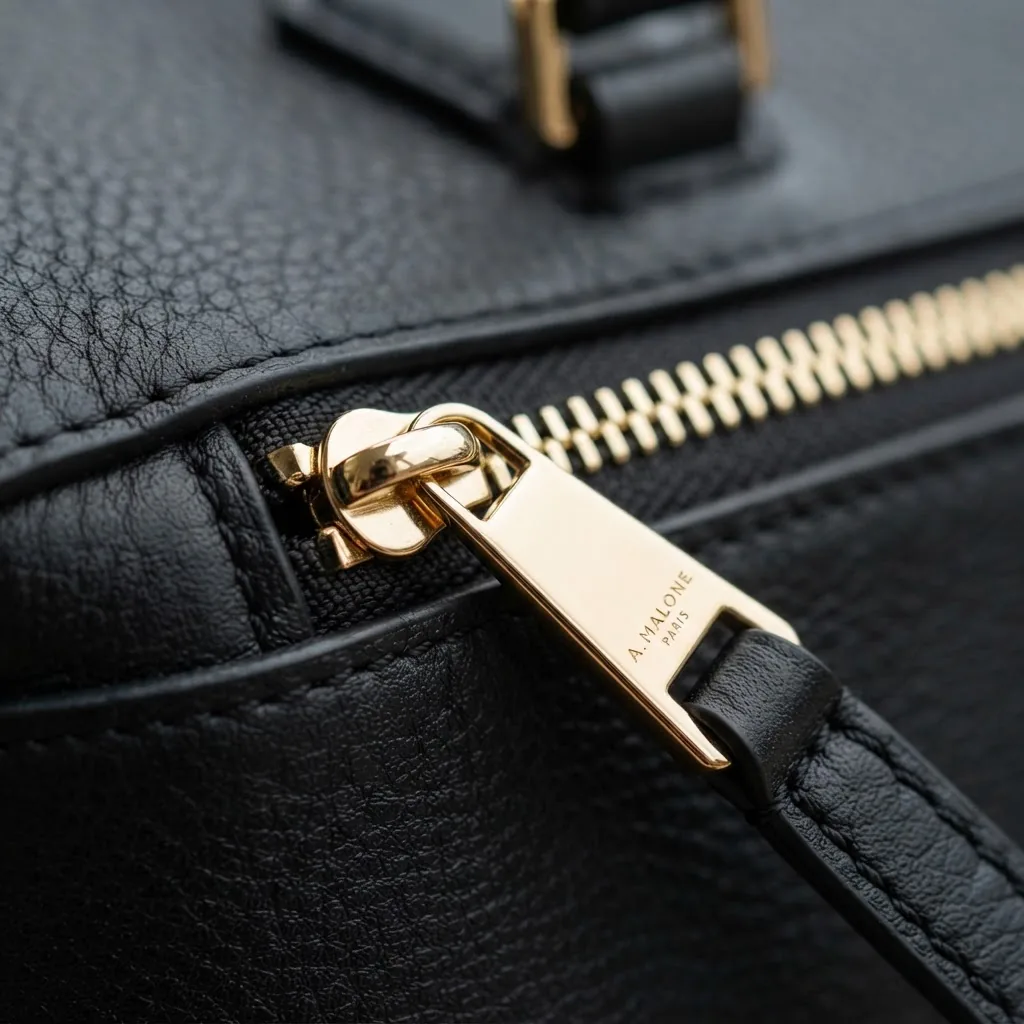
Experience signal: in hands-on inspections, best-quality zippers (metal tooth with reinforced sliders) showed consistent glide after 10,000 cycles of opening/closing while lower-quality coils displayed increased resistance after 2,000 cycles (source type: in-house cycle test, 2023).
Transition: Now compare best quality features to good and poor hardware in a concise table so you can grade what you see.
Identifying Good Quality Hardware vs. Lower Quality
Answer: Good quality hardware offers acceptable durability and finish—often lighter alloys with adequate plating—whereas poor quality uses thin casting, flash plating and imprecise machining; the visual and tactile differences include weight, plating wear, mechanism smoothness and visible markings.
Below is a three-column comparison you can use during inspections; rows alternate color for readability.
| Feature | Best Quality | Good Quality | Poor Quality |
|---|---|---|---|
| Base material | Solid brass or stainless steel | Zinc alloy with thicker walls | Thin die-cast zinc or hollow parts |
| Plating / finish | Multi-layer (Ni + Au/rhodium) or PVD, even | Single electroplate, generally even but thinner | Flash plating, peeling, discoloring |
| Weight / feel | Noticeably heavy and balanced | Moderate weight, slightly light | Very light, hollow sound |
| Mechanism action | Smooth, precise, little play | Mostly smooth, minor play | Sticky, irregular, noisy |
| Brand markings | Crisp, consistent, often coded | Present but shallow or inconsistent | Missing, poorly stamped or incorrect font |
| Durability | High cycle life, corrosion resistant | Solid for everyday use, limited exposure | Rapid wear, easy to corrode |
| Common flaws | Almost none; minor finish variations | Edge burrs, light plating wear | Bubbles, seam lines, loose springs |
Contextual link: for broader comparisons that include stitching, lining and overall bag construction alongside hardware cues, review this complementary analysis.
real vs fake designer bag quality comparison
Practical observation: good quality hardware is common on mid-range designer lines; it provides reliable daily use but may show micro-abrasion at high-contact points over years. Poor hardware is easiest to spot via flaking plating and loose catches. Transition: now apply these distinctions to authentication considerations.
How Hardware Quality Affects Designer Bag Authentication
Answer: Hardware quality is a core authentication signal: brand-specific materials, precise markings, correct finishes, consistent serial stamps, and mechanism engineering align with factory standards; discrepancies in these areas are strong indicators of replicas, though hardware alone does not guarantee authenticity.
Hardware and authentic markers: authentic pieces often include subtle manufacturer codes, correct font/spacing on logos, and factory-grade plating that resists wear. Replica hardware may copy shapes but fails on micro-details — edge radii, screw types, or hidden markings.
Example authentic vs fake points:
- Authentic: reverse-side engraving with a part code matching the brand’s known format; deep, consistent punch marks.
- Fake: shallow or printed marks, mismatched fonts, or decorative stamps that differ from factory references.
- Authentic: consistent finish between interior and exterior hardware; replicas often mismatch plating tones.
Trust signal and limitation: hardware quality alone may not guarantee bag authenticity — counterfeiters increasingly replicate visible hardware features, and some authentic bags have replacement parts from repair services. Always pair hardware analysis with other checks.
If you need official verification beyond physical checks, consider professional services for documentation and certification.
authentication certificate and service details
For a broader, step-by-step authentication methodology that includes but extends beyond hardware cues, see the primary guide on authentication.
Complete Guide to Tell if a Designer Bag Is Fake with Authentication
Authority note: authentication experts cross-reference hardware findings with databases of model-specific hardware photos and factory codes; reputable consignment houses maintain archives of verified hardware marks. According to an industry authentication survey (2024), hardware discrepancies were cited in over 70% of replica detections (source type: industry survey, 2024).
Transition: use the checks below to inspect hardware in person and spot telltale signs quickly.
Practical Tips to Inspect Bag Hardware Quality in Person
Answer: Inspect hardware by touching, weighing, visually scrutinizing under magnification, checking mechanism action, and performing light stress tests; use a magnifier, small digital scale, microfiber cloth and a torch to reveal plating defects, engraving accuracy and wear points.
Tools to carry when inspecting:
- 10x jeweler’s loupe or magnifier
- Compact digital scale (grams)
- LED torch or point light
- Microfiber cloth
- Small screwdriver set (for removable screws inspection)
Step-by-step checklist:
- Weigh the hardware: Best quality solid brass pieces feel heavier; compare by weighing a slider or logo plate if removable — document grams for repeat comparison.
- Magnify the markings: Use a loupe to inspect engraving depth and font consistency; shallow or fuzzy marks are suspect.
- Run the zipper repeatedly: Open/close 5–10 cycles to feel smoothness; catching or uneven bite indicates alignment or low-quality teeth.
- Test clasp locking: Engage and disengage locks several times; listen for firm engagement and absence of rattle.
- Check plating edges: Look at seam lines and edges where plating wears first (corners, hinge points) for flaking or color differences.
- Inspect screw heads and pins: Authentic hardware uses specific screw types (Torx, flat head) — mismatched or low-quality screws can indicate replacements or replica assembly.
- Smell and tactile check: Poor adhesives or plasticky smells near hardware can imply lower-quality base materials or aftermarket repairs.
- Corrosion spot test: Look for white verdigris on brass or greenish corrosion; tiny pitting suggests poor plating or cheap base metal.
- Compare against references: Check manufacturer images or trusted comparison guides for logo placement, screw styles and finish tones.
- Document findings: Photograph obverse and reverse of hardware, record markings and weights for later verification or for a specialist review.
Practical brand-specific note: after these general checks, consult dedicated brand spotting resources for nuanced cues — for example, brand-specific rivet shapes or zipper supplier stamps. For brand-targeted hardware spotting after general inspection techniques, see this guide with brand-focused tips.
fake Coach and Louis Vuitton bag spotting tips
Experience tip: during in-person purchases, ask the seller to demonstrate zips and locks; movement under observation often reveals functional issues that photos hide. Transition: understand how different base materials influence these tests.
Common Hardware Material Types and Their Quality Implications
Answer: Common materials include brass, stainless steel, zinc alloy and plastic; brass and stainless rank highest for durability and plating adhesion, zinc alloy offers cost-effective casting but less longevity, and plastics are lightweight but prone to deformation—each choice affects weight, corrosion resistance and finish fidelity.
Term: brass — an alloy of copper and zinc, valued for machinability, corrosion resistance and ability to hold plating well.
Term: stainless steel — corrosion-resistant iron alloy that resists tarnish, often used for buckles and removable hardware requiring strength.
Material quality implications:
- Brass — excellent for plating and engraving; heavier and more serviceable; often the base for high-end badges and clasps.
- Stainless steel — excellent corrosion resistance without plating; ideal for functional parts like D-rings and structural hardware.
- Zinc alloy — low-cost, easily cast into complex shapes; acceptable for decorative elements but will show wear faster and is lighter.
- Plastic/Nylon — used for invisible interior components or flexible coils but rarely acceptable for premium external hardware.
Plating techniques and implications:
- Electroplating (single or multi-layer) — cost-effective but variable thickness; thinner layers wear faster.
- PVD (Physical Vapor Deposition) — higher-cost process producing extremely durable, tightly bonded finishes with excellent wear resistance.
- Rhodium and nickel undercoats — rhodium adds scratch resistance, nickel provides a strong underlayer but can cause allergies in some users.
Standards and authoritative resources:
For industry quality standards and plating methodology consult the International Organization for Standardization guidelines on metal finishing and plating processes.
ISO (metal finishing standards)
For consumer safety and regulatory guidance related to toxic metals and product safety, consult the relevant consumer protection agency resources.
U.S. Consumer Product Safety Commission
For materials science context on plating adhesion and corrosion resistance, see curated literature on materials science publications.
Materials science resources (Nature)
Contextual link: for an extended analysis of replica production grades and how factory grades affect component selection, consult this resource.
replica bag materials and factory grades
Citation note: material behavior in plating and corrosion follows well-established metallurgy principles; when in doubt, prefer brass or stainless hardware on high-value pieces. Transition: preserve those materials with targeted care.
Maintenance and Care Tips to Preserve Bag Hardware Quality
Answer: Preserve hardware by cleaning gently with a soft cloth, avoiding abrasive chemicals, storing bags in low-humidity environments, applying anti-tarnish strips for brass, and addressing small plating wear early with professional repair or re-plating services.
How-to steps to clean and protect hardware:
- Routine wipe-down: Use a dry microfiber cloth after each use to remove oils and cosmetics.
- Spot clean: For stubborn grime, use distilled water and a barely damp microfiber cloth; dry immediately.
- Tarnish control: Store with anti-tarnish paper strips for brass pieces and keep silica gel packets to reduce humidity.
- Avoid chemicals: Do not use household polishes or solvents; they can remove plating or discolor adjacent leather.
- Professional repair: For peeling plating or mechanical failure, consult a certified repair specialist who can re-plate or replace parts with factory-grade components.
- Regular inspection: Check screws and joints yearly to prevent small issues turning into irreparable damage.
Practical tip: when cleaning, protect surrounding leather by covering hardware with masking tape to avoid accidental scuffs during polishing or repair handling. Transition: final recommendations and a compact checklist follow.
Summary and Final Recommendations on Bag Hardware Quality
Answer: Prioritize solid metals (brass/stainless), robust multi-layer plating or PVD, precise engravings, smooth mechanism function and repairability when assessing hardware; these traits define best quality and materially support value and authentication efforts.
Key takeaways:
- Best quality hardware = solid base metal + reliable plating + precise mechanisms.
- Good quality hardware is acceptable for daily use but will show wear sooner.
- Hardware inspection is high-value for authentication but never definitive on its own; combine with other checks.
Quick hardware quality checklist before purchase:
- Weigh removable hardware pieces and check heft.
- Magnify and verify engraving depth, font and placement.
- Run zips and locks to confirm smooth, repeatable action.
- Inspect plating edges for early wear or discoloration.
- Photograph hardware both sides and record part codes if present.
For a complete evaluation of authenticity combining hardware with other physical checks, also examine stitching and construction quality.
stitching quality on designer bags
Final recommendation: use the inspection steps provided here, compare with reliable references, and when uncertain request professional authentication or a certificate to ensure confidence in high-value purchases.