Replica vs Knockoff vs Counterfeit vs Inspired: these terms describe different kinds of non-original handbags — from lawful look-alikes to illegal trademark copies — and differ by intent, branding use, quality grading and legal risk; this guide defines each term, compares them, explains quality markers and outlines consumer and legal considerations.
What Do Replica, Knockoff, Counterfeit, and Inspired Bags Mean?
Answer: A replica reproduces a branded bag’s design very closely but often avoids exact trademark use; a knockoff copies the look cheaply without brand logos; a counterfeit illegally uses authentic trademarks to pass as genuine; an inspired bag borrows style cues without copying brand-specific identifiers.
Replica bag: a close reproduction of a specific branded handbag, often matching dimensions and design details but varying in official branding usage and legality depending on jurisdiction.
Knockoff: a lower-cost imitation that copies general silhouette or style but usually uses different or no logos and lower-quality materials.
Counterfeit: an item that intentionally reproduces a brand’s protected trademarks (logos, serial numbers, labels) to be represented as genuine; this is typically illegal.
Inspired bag: an original product that adopts general design cues or trends from designer bags without aiming to reproduce a specific model or using protected marks.
Mirror copy bags: term used by some sellers to describe replicas that attempt an almost-identical visual match to a specific original, sometimes called “1:1” or “mirror” copies.
Top grade replica: an industry phrase for replicas that use high-quality materials and close finishing to mimic originals; quality varies widely and does not change legal status.
First copy handbags: a label used in some markets to describe replicas claiming near-original quality—commonly used interchangeably with “top grade” but with no standardized definition.
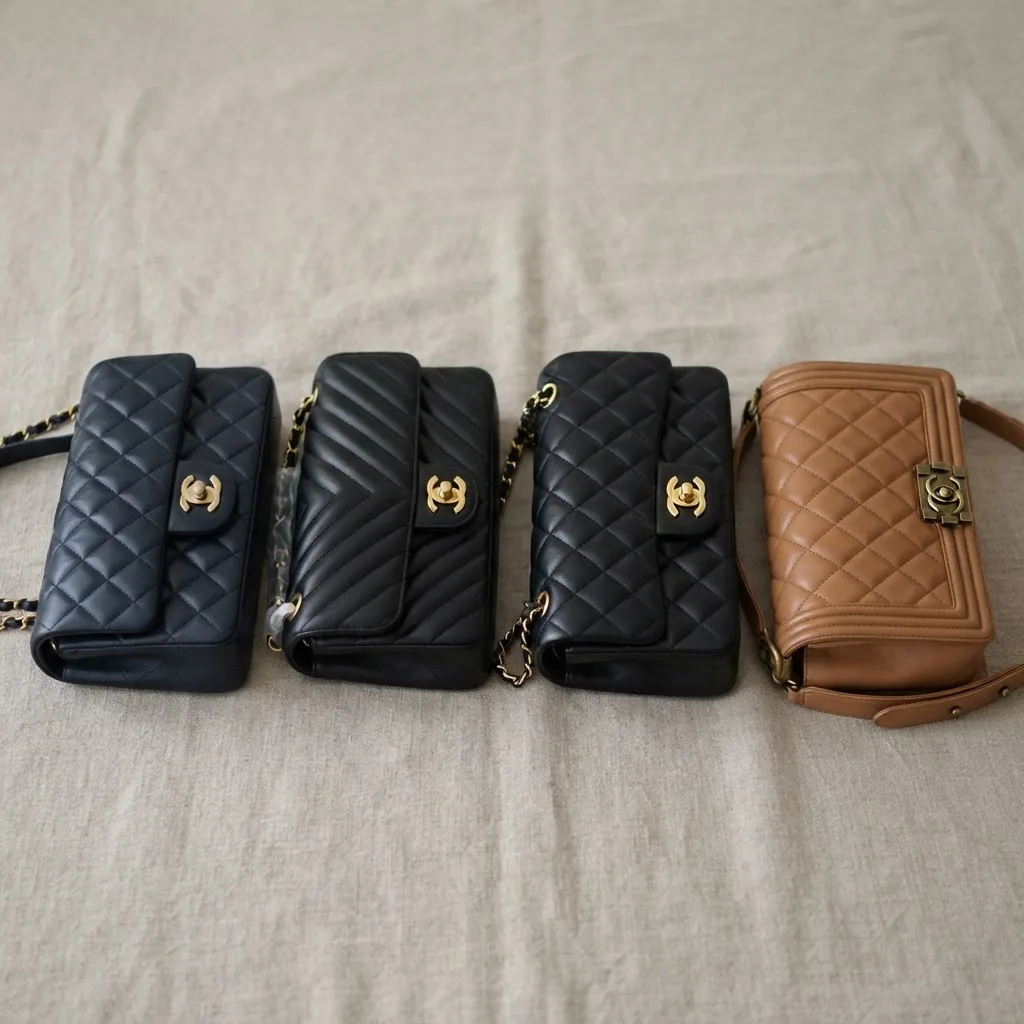
Real-world example: a single model (same silhouette) sold three ways — (1) a factory-made replica that matches stitching and hardware but lists no LV monogram, (2) a cheap knockoff with off-colour leather and misaligned stitching, and (3) a counterfeit stamped with the original brand’s monogram and serial tag to pass as genuine. These illustrate the core distinctions above.
For readers who want an in-depth buying and quality breakdown specifically for replicas, see:
Replica Designer Bags Complete Buying Guide in Australia
Transition: With those core definitions set, the next section compares these categories side-by-side so you can see where they overlap and where they diverge in law, quality, and risk.
Detailed Comparison: Replica vs Knockoff vs Counterfeit vs Inspired
Answer: Each category differs across five consistent axes — branding/trademark use, legal status, construction quality, price range and consumer risk — and a side-by-side table clarifies those differences for quick reference.
| Category | Definition | Typical Quality | Legality | Consumer Risk |
|---|---|---|---|---|
| Replica | Close reproduction of a branded model; may omit exact protected marks. | Varies from high (top grade/first copy) to mid. | Mixed: depends on trademark use and jurisdiction. | Moderate: quality can be high but resale and legality uncertain. |
| Knockoff | Cheap imitation using similar shapes or generic logos. | Low: inexpensive materials and poor finishing. | Usually legal if no protected marks used, but can be infringing if lookalike crosses line. | Higher risk of breakage, poor fit, and fast depreciation. |
| Counterfeit | Illicit copy that reproduces brand trademarks to pass as authentic. | Varies: can be high-quality or cheap; branding is the defining factor. | Illegal in most jurisdictions; criminal and civil exposure for sellers (and sometimes buyers). | High: legal risk, loss of money, often supports illicit supply chains. |
| Inspired | Original products borrowing general style cues without copying a specific model or trademarks. | Variable: often good value if well made. | Generally legal when no trademark or trade-dress is infringed. | Lower legal risk; quality and resale depend on maker and materials. |
Below are focused comparisons and examples for each category to illustrate real distinctions.
Replica
Answer: Replicas aim to reproduce a specific model’s appearance and dimensions; sellers may call them “mirror copy” or “1:1” replicas and grade them (top grade, first copy) based on materials and finishing.
Top grade replica: term used by sellers indicating the highest-quality replica available, often using superior leather, correct hardware plating, and accurate stitching; it remains an informal, non-standardized label.
Example: A high-grade replica of a particular tote may match interior lining, strap length and metal engravings but replace a brand’s registered monogram with a subtle variation or omit serial authenticity tags.
Knockoff
Answer: Knockoffs reproduce the general look or trend without targeting a single protected model or using authentic branding; they prioritise low cost and quick production over fidelity to the original.
Example: A market stall “logo-like” bag that borrows quilted patterns and chain straps without using exact logos or serials is typically a knockoff, not a counterfeit.
Counterfeit
Answer: Counterfeits intentionally copy protected trademarks, logos, or labels so the product is represented as genuine; this is trademark infringement and typically illegal.
Example: A handbag carrying stitched brand initials and an exact replica serial plaque sold as the original is a counterfeit and can result in seizure and legal action against sellers.
Inspired
Answer: Inspired bags are new designs influenced by wider design trends — they avoid copying brand-specific trade dress and are generally lawful; they exist to offer a designer-style look without misrepresentation.
Example: A contemporary satchel with a recognizable silhouette similar to a runway bag but a different logo placement and material choice is an inspired design.
For style-specific guidance across common shapes (crossbody, tote, satchel) after learning these definitions, see:
copy designer bags guide for crossbody, tote & satchel
Compare knockoffs and look-alikes more deeply:
look-alike and knockoff designer bags buying guide
To explore styling options within the inspired category:
designer-inspired bags style guide
Transition: With the definitions and table clarified, the next section explains how material and construction vary across these bag types and which quality markers to prioritise.
Material and Quality Differences Across Bag Types
Answer: Material and build quality range from premium leathers and precise hardware in high-grade replicas and originals to low-cost synthetics and poor stitching in knockoffs; inspect leather type, stitching, hardware, lining and smell for reliable signals.
Term: “quality grades of replicas” denotes informal industry labels (e.g., top grade, A+, first copy) used by sellers to signal relative fidelity to originals; these are marketing terms without standardized certification.
- Leather and materials: Originals use specific leather types (e.g., calfskin, pebbled leather); top grade replicas may use comparable leathers or high-quality PU; knockoffs typically use thin or coated synthetics.
- Hardware: Look for weight, plating uniformity and correct engravings; authentic hardware often uses solid brass or plated metals with crisp engravings while knockoffs have hollow or poorly plated hardware.
- Stitching and construction: Count stitches per inch, check edge finishing and symmetry; replicas aiming for “mirror copy” will match stitch counts closely, knockoffs will have uneven stitch length and loose threads.
- Lining and interior details: Brand-specific linings, serial tags, and pocket placement matter — absence or incorrect placement is a common red flag.
- Odour and hand-feel: Genuine leathers have a characteristic scent and suppleness; cheap synthetics often smell of chemical coatings.
- Durability and hardware longevity: Top grade replicas may last years with proper care; knockoffs commonly fail at stress points (straps, handles, clasps) within months.
For buyers seeking high-quality faux options or faux luxury alternatives, detailed product reviews and curated picks can help:
best faux luxury handbags buying guide
Replica bag quality grading explained: sellers often use “replica bag quality grades explained buying guide” schemes to categorise items — see:
replica bag quality grades explained buying guide
Transition: Quality influences legal classification and consumer risk — the next section outlines legal and ethical considerations you should weigh before buying or selling.
Legal and Ethical Considerations When Buying or Selling These Bags
Answer: Legal treatment depends on trademark use, representation, and jurisdiction: selling counterfeits is illegal in most countries; replicas and inspired items occupy grey areas; sellers and buyers face civil and sometimes criminal exposure.
Trademark basics: a trademark protects brand identifiers (names, logos, labels) and prevents unauthorised use that causes confusion. Using exact logos or serials is commonly an infringement.
For authoritative guidance on trademark law in Australia, consult the national IP office:
Australian IP office guidance
For consumer rights and product safety issues, consult the national consumer protection agency:
Australian Competition and Consumer Commission
For statistics and market context on counterfeit goods, see industry reports:
EUIPO counterfeiting and piracy reports
Legal facts and precedents:
- In many jurisdictions, intent to deceive (representing a product as genuine) drives criminal enforcement against sellers; buyers are sometimes protected but may face civil consequences if they resell knowingly counterfeit goods.
- Customs authorities routinely seize counterfeit imports; recent enforcement increases reflect international cooperation. According to a 2023 industry report, seizures and enforcement actions rose year-on-year in several regions (source: industry report).
- Legal case example: litigation between major fashion houses and online marketplaces has produced injunctive relief and takedowns; plaintiff brands often rely on trademark and trade-dress claims to stop counterfeit trade.
Legal disclaimer: laws vary significantly between countries; this guide is educational and not legal advice — consult a qualified attorney for case-specific guidance.
Selling inspired or look-alike products may be lawful if you avoid protected brand identifiers and do not misrepresent provenance; for detailed seller rules and jurisdictional compliance:
legal guide for selling and buying designer-inspired bags
Transition: Knowing the legal stakes helps when you inspect a bag — the next section lists practical steps and visual clues to identify differences at point of purchase.
How to Spot the Difference: Tips and Visual Clues
Answer: Spot differences by systematically checking logos and trademarks, stitch count and alignment, hardware weight and engravings, lining and serials, material smell and texture, packaging and seller provenance; use a step-by-step checklist for consistent verification.
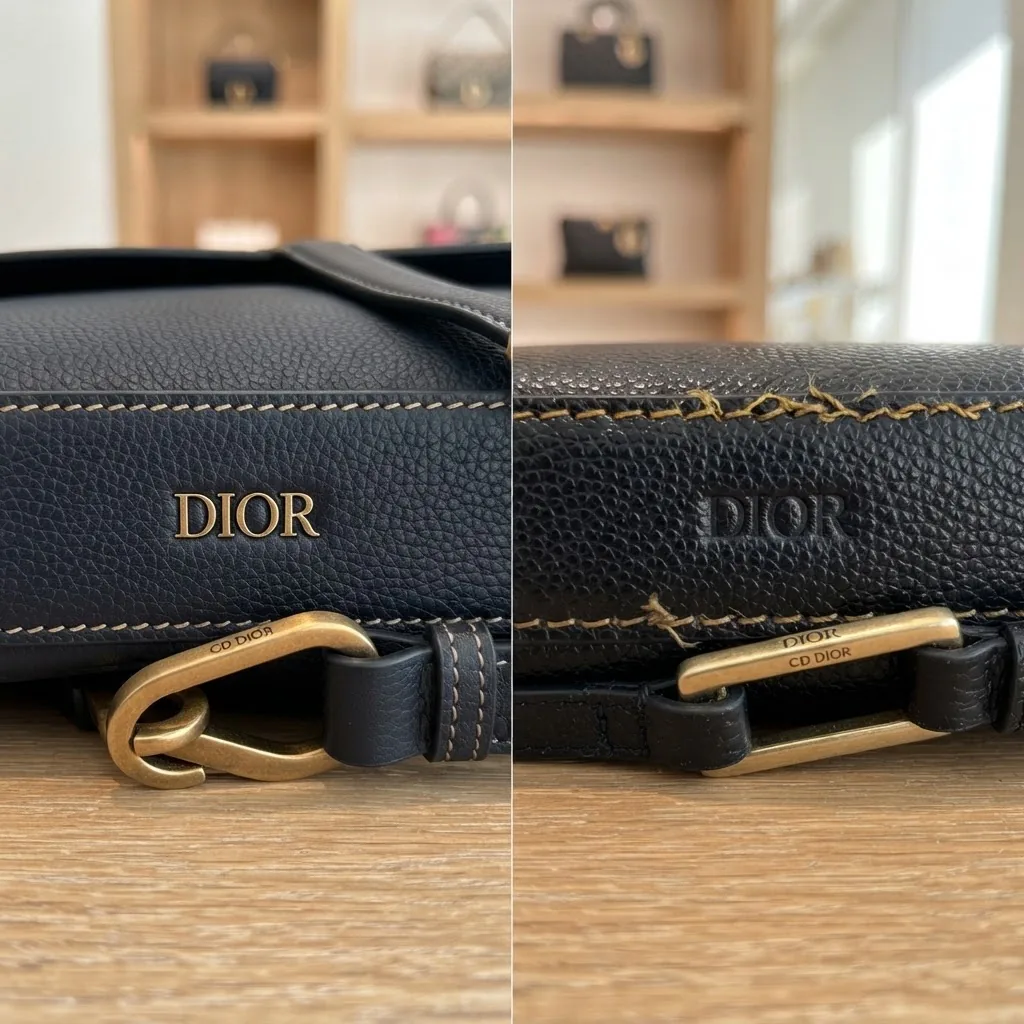
- Confirm branding and trademarks: Verify logo fonts, spacing, and placement against official brand references; exact matches on logo stamps and serials are primary red flags for counterfeits.
- Check stitching and stitch count: Count stitches per inch on seams and compare symmetry between sides; authentic pieces usually have consistent stitch counts and perfectly aligned seams.
- Inspect hardware closely: Test weight (authentic hardware often feels heavier), check for crisp engravings and consistent plating; loose or flaking plating indicates lower quality.
- Examine lining and interior tags: Confirm lining pattern, pocket placement and any serial numbers against brand references; missing or generic tags can indicate imitation.
- Assess material and smell: Genuine leather has a natural grain and scent; plastic-like odours, uniform leather grain, or printed texture often indicate synthetics.
- Observe edge finishing and glue residue: Look at painted edges and seam glue; careless edge paint or visible glue lines are common in knockoffs.
- Packaging and documentation: Authentic boxes, dust bags, care cards and receipts should match brand standards; be cautious of generic packaging.
- Seller provenance and return policy: Reputable retailers provide receipts, authentication or returns; anonymous, one-off sellers with no verifiable history raise risk.
- Price vs market: If a “new” supposed designer bag sells for a fraction of retail, treat it as suspicious; very low price is a strong indicator of non-authenticity.
- Use expert verification when needed: For high-value items, use professional authentication services or brand-authorised verification where available.
For brand-specific authentication workflows and checklists, consult:
brand-specific replica bags buying guide
For guidance on spotting dupes across popular marketplaces, see:
designer dupes on Amazon, Shein, eBay and Poshmark
For a step-by-step checklist and replica verification tools:
how to spot fake handbags guide
Transition: After learning to spot features, the next section summarises consumer risks and benefits for each bag type so you can weigh practical trade-offs.
Consumer Risks and Benefits of Each Bag Type
Answer: Benefits and risks vary: inspired bags usually offer legal safety and value; replicas may give near-designer looks but carry legal/ethical uncertainty; knockoffs are cheap but low-quality; counterfeits carry the highest legal and ethical risks.
Replica — Pros and Cons
Pros: Can closely mimic designer aesthetics; higher-grade replicas may offer durable materials and convincing details. Cons: Legal ambiguity, unpredictable resale value, and potential ethical concerns about supporting unregulated supply chains.
Knockoff — Pros and Cons
Pros: Extremely affordable; satisfies trend-driven short-term use. Cons: Poor durability, evident quality issues, short product lifespan and limited resale or repair options.
Counterfeit — Pros and Cons
Pros: None legitimate — any perceived benefit (low price) comes with legal and ethical costs. Cons: Illegal to produce/sell in most places, supports illicit activity, risk of seizure and penalties, and likely reputational harm.
Inspired — Pros and Cons
Pros: Legal when done correctly, often good value, and supports legitimate designers and manufacturers. Cons: May not perfectly match a designer’s exact look; quality varies by maker.
For shoppers focused on value and reliability rather than copying, consider curated alternatives:
affordable designer bags with best value
To explore dupes and when they make sense ethically and economically:
designer dupes explained buying guide in Australia
If you want inspired options tailored for travel or specialized uses:
designer-inspired bags guide for travel and specialty use
For a buyer-focused complete guide to purchasing inspired bags online:
complete buying guide for designer-inspired bags online
Transition: Below are concise FAQs to clarify common points readers ask about these categories.
FAQs on Replica, Knockoff, Counterfeit, and Inspired Bags
Below are the most common questions readers ask about these bag types; answers follow in the Frequently Asked Questions section below.